For information on public question number 1 and why it is imperative that we all vote "yes", please visit http://njkeepitgreen.org/ - thanks!
Monday, November 2, 2009
Vote Yes Tomorrow!
For information on public question number 1 and why it is imperative that we all vote "yes", please visit http://njkeepitgreen.org/ - thanks!
Thursday, October 29, 2009
Autumn Harvest
We visited Suydam Farms in Somerset this weekend to do some pumpkin shopping. After choosing one we are hopeful is filled to the brim with delicious seeds (which we will toast this weekend), we also found a nice variety of decorative gourds for our home. There was also a bounty of delicious, freshly picked produce for sale including turnips, a wide variety of potatoes, apples, peppers of all different kinds, squash, and more.

We decided to add some great-looking green beans to our purchase. Yesterday Elizabeth cooked them with some garlic and we had them with dinner. Mmm mmm mmm.

It's not too late to enjoy local, fresh produce. And not only are the products you'll get at your local farm or farmer's market fresh and probably better tasting than the grocery store alternative, it's also a ton of fun to get outside on a nice fall afternoon and pick your pumpkins, shop around an open-air market, and support the farmers of your community.
We decided to add some great-looking green beans to our purchase. Yesterday Elizabeth cooked them with some garlic and we had them with dinner. Mmm mmm mmm.
It's not too late to enjoy local, fresh produce. And not only are the products you'll get at your local farm or farmer's market fresh and probably better tasting than the grocery store alternative, it's also a ton of fun to get outside on a nice fall afternoon and pick your pumpkins, shop around an open-air market, and support the farmers of your community.
Thursday, October 22, 2009
Sage Thrasher moves on
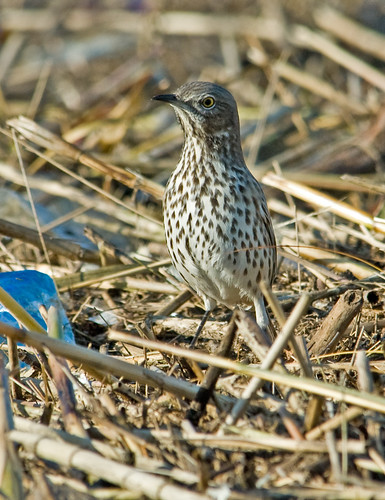
Prior to this week, only three known Sage Thrashers had ever visited the Garden State. On Tuesday, Sandy Hook welcomed the fourth.
Bob Devlin (c) 2009
The range of the Sage Thrasher is mostly contained with the American south-west. It is not known to breed, migrate, or winter east of the Mississippi River, so finding one on the Atlantic Coast was quite a sighting. With no sightings as of 7pm on Friday, it appears that the lost bird has moved on, possibly to try and find his way home.
Let's all remember that these birds are often stressed and should be given plenty of space. If you are approaching too closely and it is affecting the behavior of the rarity, you should take a few steps back until the bird seems to calm down. Most of you know this, so please pass it along to those who don't seem to! Thanks, and good birding!
Wednesday, October 21, 2009
Explore Ken Lockwood Gorge
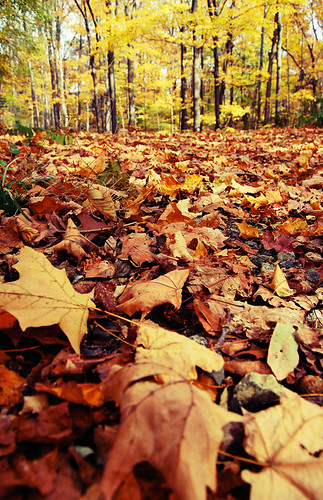
The East Brunswick Environmental Commission will be hosting a trip to Ken Lockwood Gorge on Saturday, October 24th (rain date Sunday, October 25th). If you are interested in hiking around and/or taking photos of this beautiful place, please email Richard Wolfert at njnaturenotes@comcast.net to inquire about any open spots left on the trip.
shutterbugMike (c) 2008
The autumn leaves should be vibrant and colorful, so don't miss a great opportunity for fall photography. For more info on the trip visit the Events & Trips page.
Wednesday, October 7, 2009
Cranberry Festival!
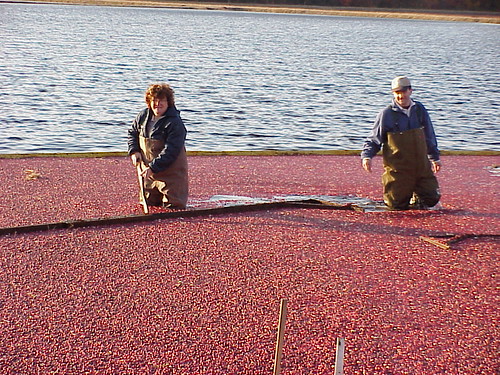
The Cranberry Festival of Chatsworth takes place this weekend, October 17th and 18th. The festival will include many artists and craftsmen as well as tours of the actual harvest as it happens! Come and celebrate the Pine Barrens and the unique culture of this part of New Jersey.
Photograph by Chris Pesotski
The website can be found at http://www.cranfest.org/festival.html - unfortunately it's not jam-packed full of information so you may want to contact the committee by navigating to their contact page.
Thursday, September 24, 2009
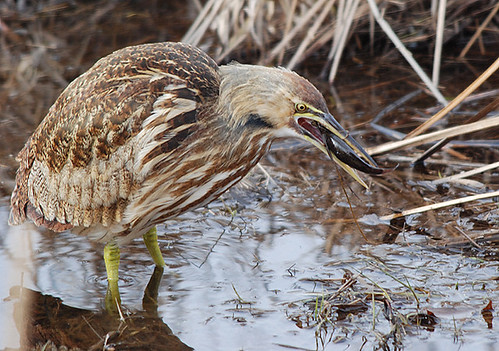
Species Profile - American Bittern
Species Profile #1
American Bittern
Botaurus lentiginosus

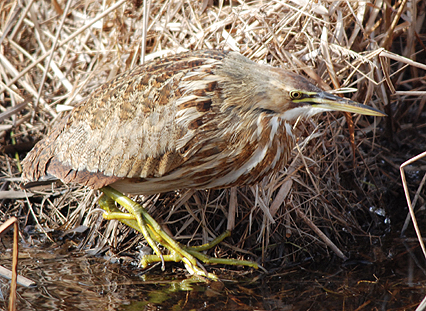
The American Bittern is a wading bird, closely related to the much more conspicuous herons and egrets we’re all familiar with. While relatively common in New Jersey’s marshes and wetlands, the American Bittern is rarely seen. The solitary birds almost always stay hidden in dense vegetation, perhaps coming to the edge of the water to hunt. Like other herons, bitterns will eat fish, amphibians, snakes, crustaceans, small mammals, and just about anything else they can find that is edible.
These birds are some of the most remarkably camouflaged vertebrates you will find in the state. Their streaked breast pattern gives the appearance of reeds, and when the bittern remains motionless it is almost impossible to spot them. When they fear a predator is nearby they will raise their bills into the air, exposing their cryptic pattern and hopefully blending in with their surroundings. Incredibly, they have also been observed swaying back and forth when the wind is blowing the reeds around them.

The closest relative to the American Bittern in New Jersey is the Least Bittern, however this bird belongs to a different genus and the American Bittern actually has closer relatives belonging to Botaurus in other parts of the world. Scientists can actually create a phylogeny of the bitterns using information from sound recordings of their distinctive calls. These phylogenies match up with genetic phylogenies perfectly.
The American Bittern is truly one of New Jersey’s most spectacular animals. Their incredible camouflage and thunderous, booming call are unmatched. If you’re lucky enough to see one, watch from a distance and be patient. Watching them hunt, sway with the breeze, and call is worth the wait.
American Bittern
Botaurus lentiginosus
The American Bittern is a wading bird, closely related to the much more conspicuous herons and egrets we’re all familiar with. While relatively common in New Jersey’s marshes and wetlands, the American Bittern is rarely seen. The solitary birds almost always stay hidden in dense vegetation, perhaps coming to the edge of the water to hunt. Like other herons, bitterns will eat fish, amphibians, snakes, crustaceans, small mammals, and just about anything else they can find that is edible.
These birds are some of the most remarkably camouflaged vertebrates you will find in the state. Their streaked breast pattern gives the appearance of reeds, and when the bittern remains motionless it is almost impossible to spot them. When they fear a predator is nearby they will raise their bills into the air, exposing their cryptic pattern and hopefully blending in with their surroundings. Incredibly, they have also been observed swaying back and forth when the wind is blowing the reeds around them.
The closest relative to the American Bittern in New Jersey is the Least Bittern, however this bird belongs to a different genus and the American Bittern actually has closer relatives belonging to Botaurus in other parts of the world. Scientists can actually create a phylogeny of the bitterns using information from sound recordings of their distinctive calls. These phylogenies match up with genetic phylogenies perfectly.
The American Bittern is truly one of New Jersey’s most spectacular animals. Their incredible camouflage and thunderous, booming call are unmatched. If you’re lucky enough to see one, watch from a distance and be patient. Watching them hunt, sway with the breeze, and call is worth the wait.
Tuesday, September 15, 2009
Nature & Survival - For Kids!
Amy Manning, one of New Jersey's finest young naturalists, has put together a Nature Awareness and Wilderness Survival series for children grades 5 through 8. This is a truly unique opportunity to instill important values and knowledge in our youth. Please pass this along to anyone who might be interested, and check out the flyer below for more information.
Subscribe to:
Posts (Atom)